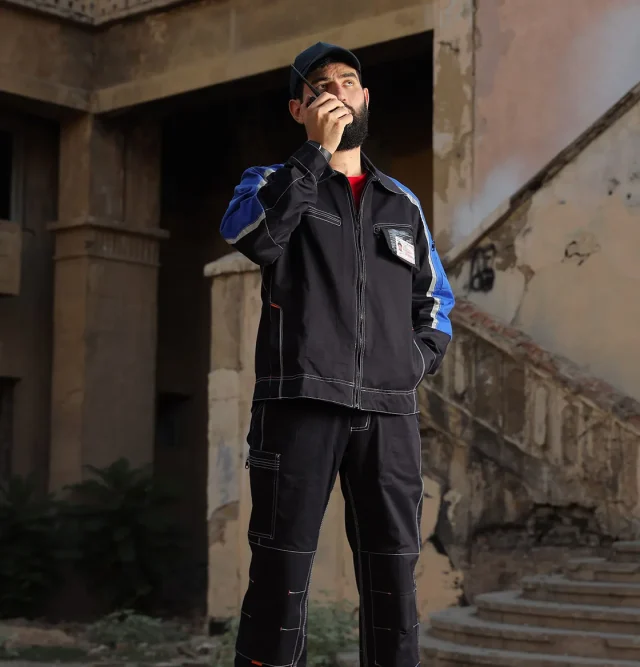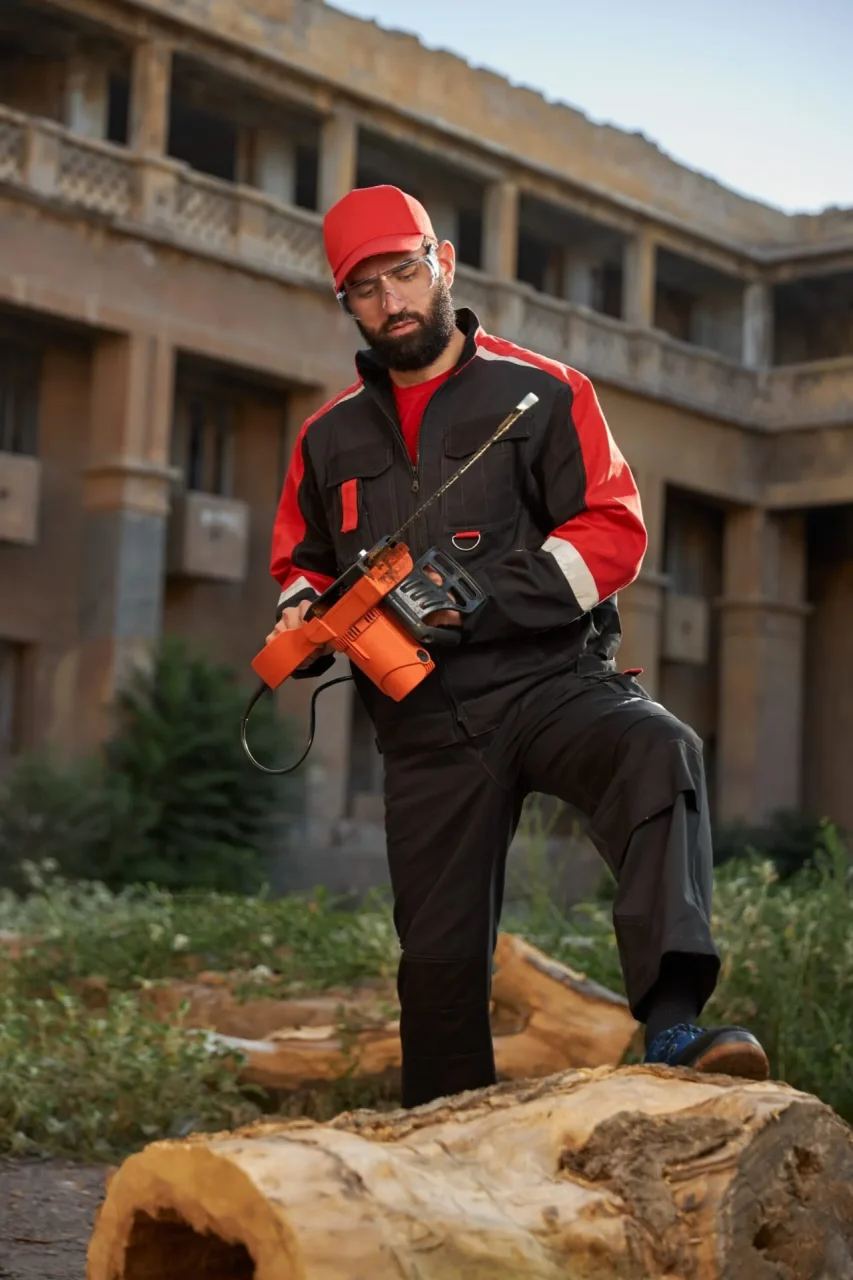
A summer work suit is worn every day, often in the heat and under physical strain. That is why it is worth choosing it not by the picture but by four things: the type of set, the fabric, the fabric weight and the details your job actually needs. Below is a short guide based on the Sardoba Textile summer range: 49 models in 100% cotton and poly-cotton blend fabric.
Jacket with trousers or with bib overalls
The summer workwear range has three types of sets:
- Jacket and trousers: the all-round option. Trousers are lighter, easier to put on and take off, and cooler to wear.
- Jacket and bib overalls: the bib on straps covers the chest, and the overalls do not slide down when the worker bends or squats. The bib often has an extra pocket.
- Bib overalls on their own: when a jacket is not needed or is issued separately.
The catalog has 23 "jacket and bib overalls" sets, 21 "jacket and trousers" sets and 5 separate bib overalls. Many models come in both versions: for example, Legion is made both with bib overalls and with trousers.
Cotton or poly-cotton blend
This is the main choice, and it decides how the suit feels to wear.
- 100% cotton (twill): 38 models in the range. Cotton lets air through and absorbs moisture, so it is comfortable in summer.
- "Twill" poly-cotton blend: 11 models in two compositions, 65% polyester / 35% cotton and 80% polyester / 20% cotton. The polyester makes the fabric hard-wearing: it creases less and dries faster.
A detailed comparison is in the article "Cotton or poly-cotton blend". Some models (Frigate, Oregon and Legion) are made in both fabrics with the same cut, so you can choose the fabric without changing the model.
Which fabric weight you need
The weight in g/m² shows how much one square meter of fabric weighs: the higher the number, the denser and heavier the fabric. In the summer range:
| Weight | Fabric | Example models |
|---|---|---|
| 210 g/m² | Twill, 100% cotton | Magnus, Special, Atlant |
| 240 g/m² | "Twill" 80/20 | Mega, Master |
| 270 g/m² | Twill, 100% cotton; "Twill" 65/35 | Samson, Gefes, Gross |
| 320 g/m² | Twill, 100% cotton | Frigate, Oregon, Legion |
Lighter fabric is usually chosen for light work in the heat, denser fabric for work with more wear. What fabric weight actually means is explained in the article "Fabric weight in g/m²".
Details worth checking
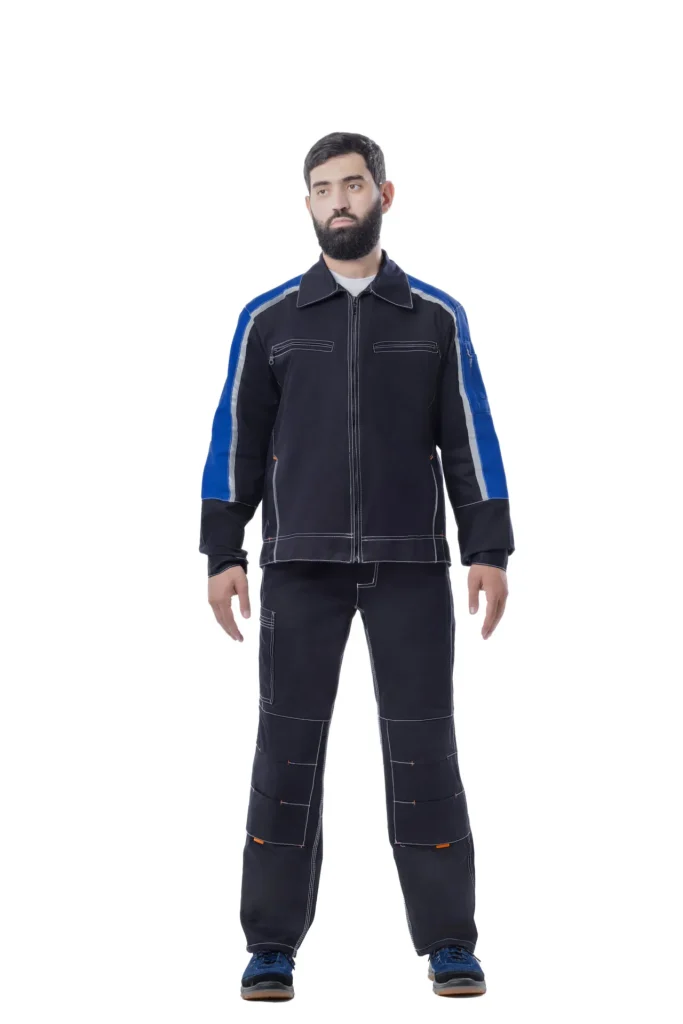
- Reflective elements. 34 models in the catalog have reflective tape or piping. You need them if people work in poor visibility, near roads or machinery.
- Knee pads. 12 models have bulky knee pads with an opening for a knee pad insert. This matters if the work is done kneeling.
- Pockets and fastenings. Check where the pockets are and how they close: zip, flap or hook-and-loop. The details of each part of the set are listed on the model page, next to the description.
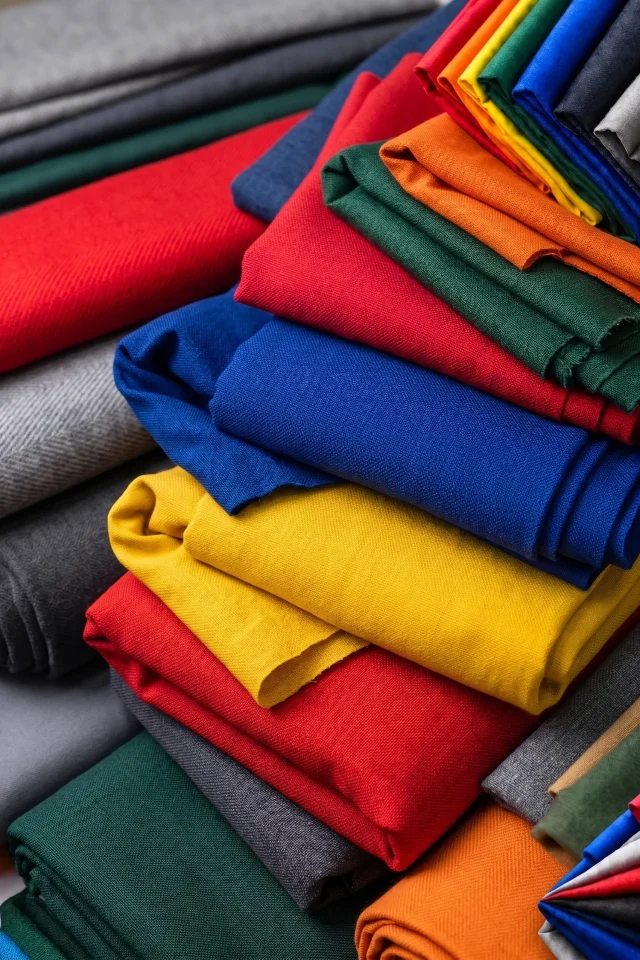
- Color. Summer models come in navy, royal blue, black, grey, red, yellow, burgundy and other colors, which helps when different teams need different uniforms.
Size and height
Summer suits are made in sizes from 88–92 to 120–124 and heights from 170–176 to 182–188. The first number is the chest girth, the second is height. How to take measurements and choose sizes for a whole crew is covered in the article "Workwear sizes".
In short
- Choose the type of set: trousers are simpler and lighter, bib overalls stay in place when bending.
- Decide on the fabric: cotton for the heat, poly-cotton for durability.
- Match the fabric weight to the workload: from 210 to 320 g/m².
- Check the details: reflective tape, knee pads, pockets.
- Collect measurements and send an inquiry: a manager will help with the model and sizes.